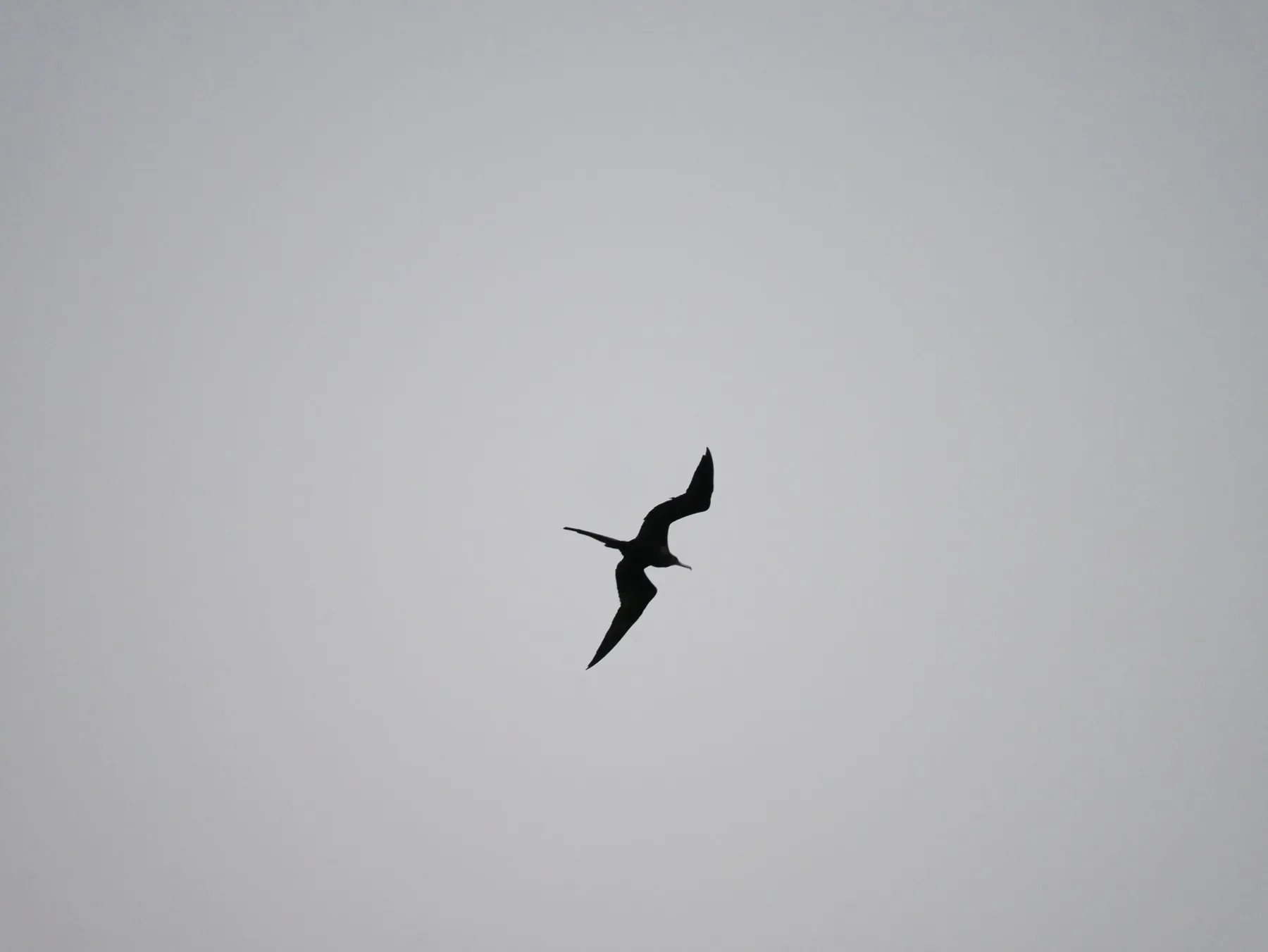
Magnificent Frigatebird
Fregata magnificens
The scissor-tailed silhouette gliding high over the bays.

Home / Guides / Birds
Frigatebirds over the bays, magpie-jays at dawn and parakeets at sunset. A short guide to recognize them and know where to look.
Huatulco isn't only the sea. The National Park holds Mexico's best-preserved tropical dry forest, with mangroves, dunes and wetlands, and shelters at least 282 bird species. Here are the ones you're most likely to see, and where to look.
Fregata magnificens
The scissor-tailed silhouette gliding high over the bays.
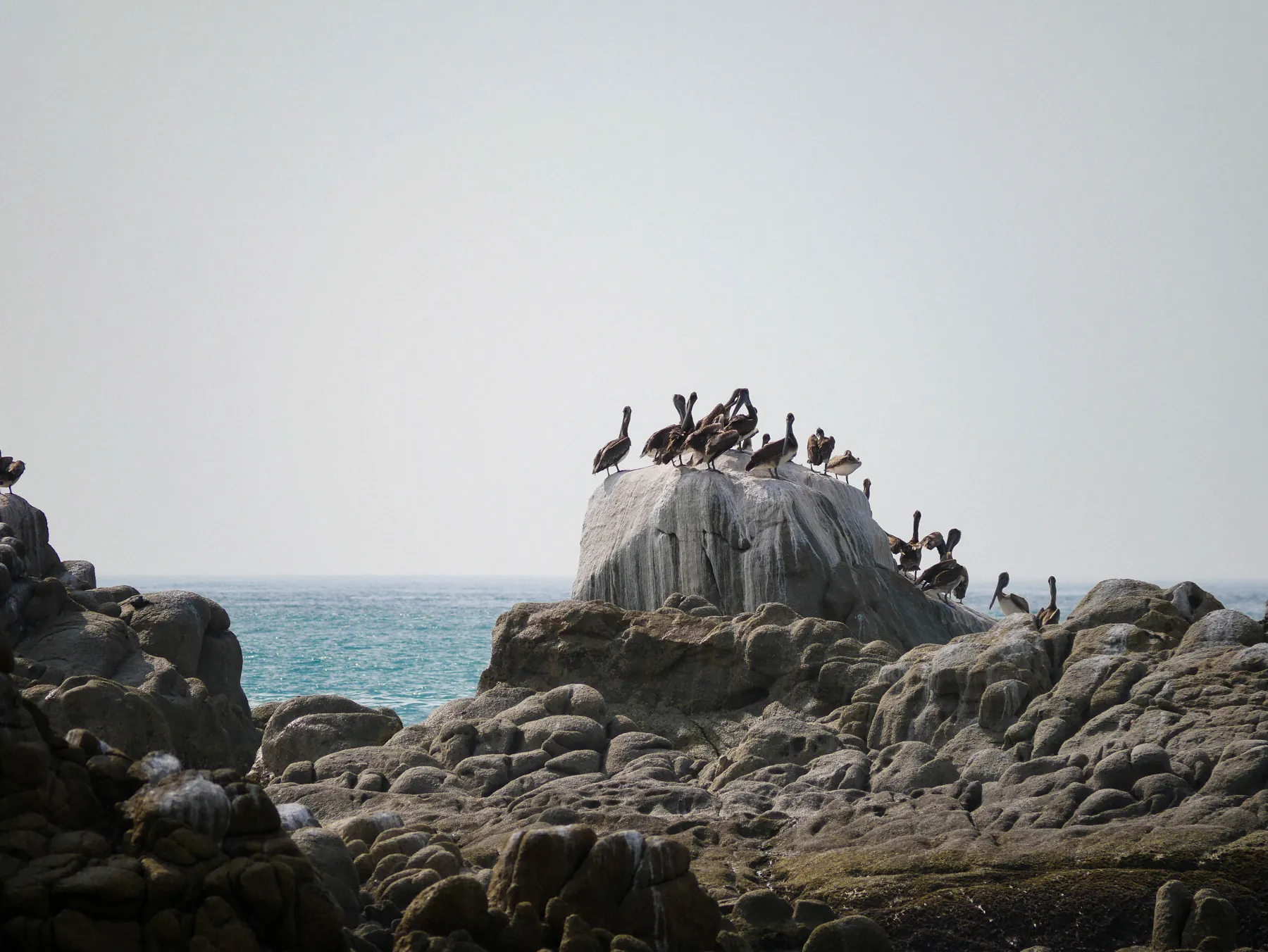
Pelecanus occidentalis
Flying in lines over the water or plunging straight down to fish.
Sula leucogaster
A seabird that fishes by diving into the sea.
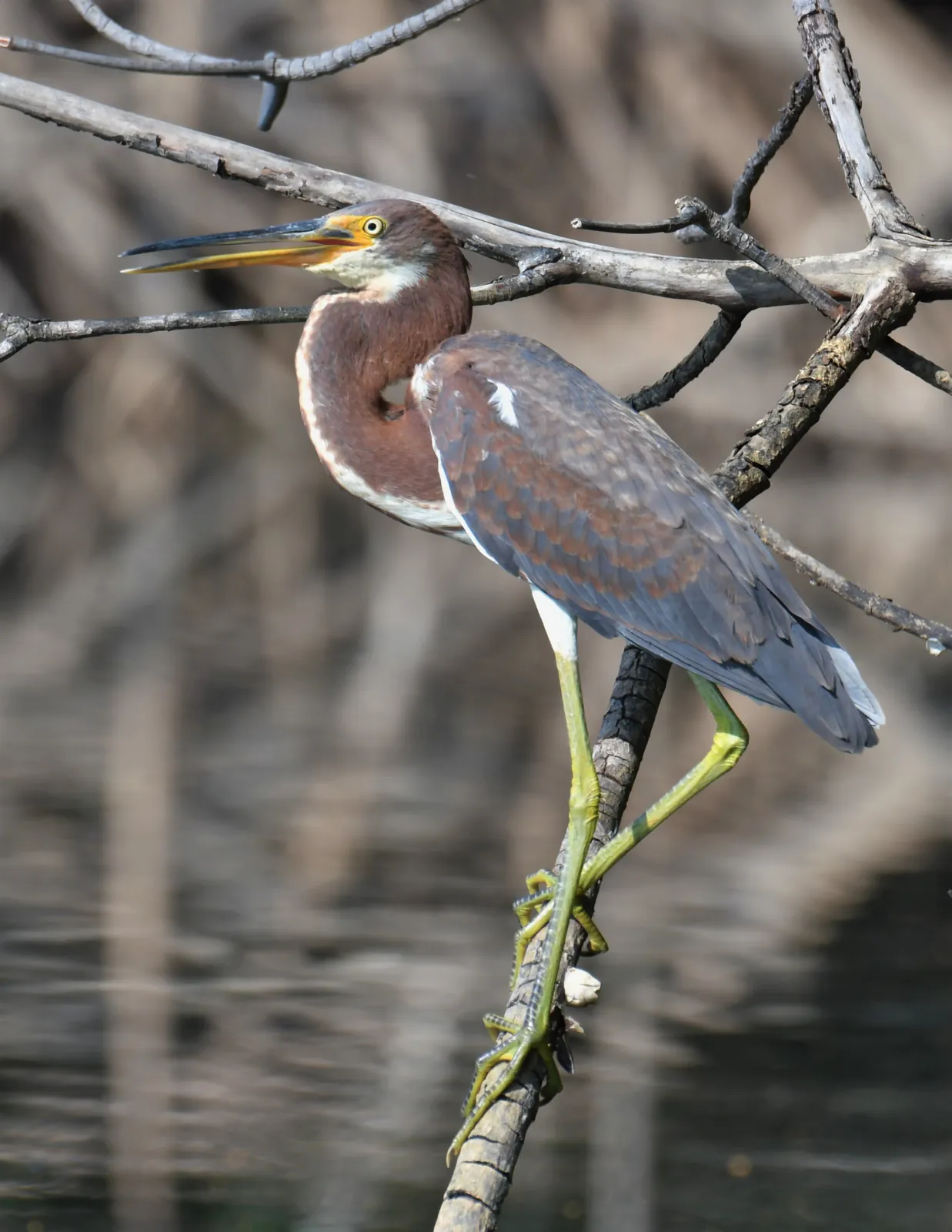 Photo: Nick Pitman
Egretta tricolor
At the La Bocana estuary, along with reddish egrets and the tiny green kingfisher.
Platalea ajaja
The spoon-billed one, in the riverside vegetation of the Copalita.
Pandion haliaetus
A fish-eating raptor, found near the water.
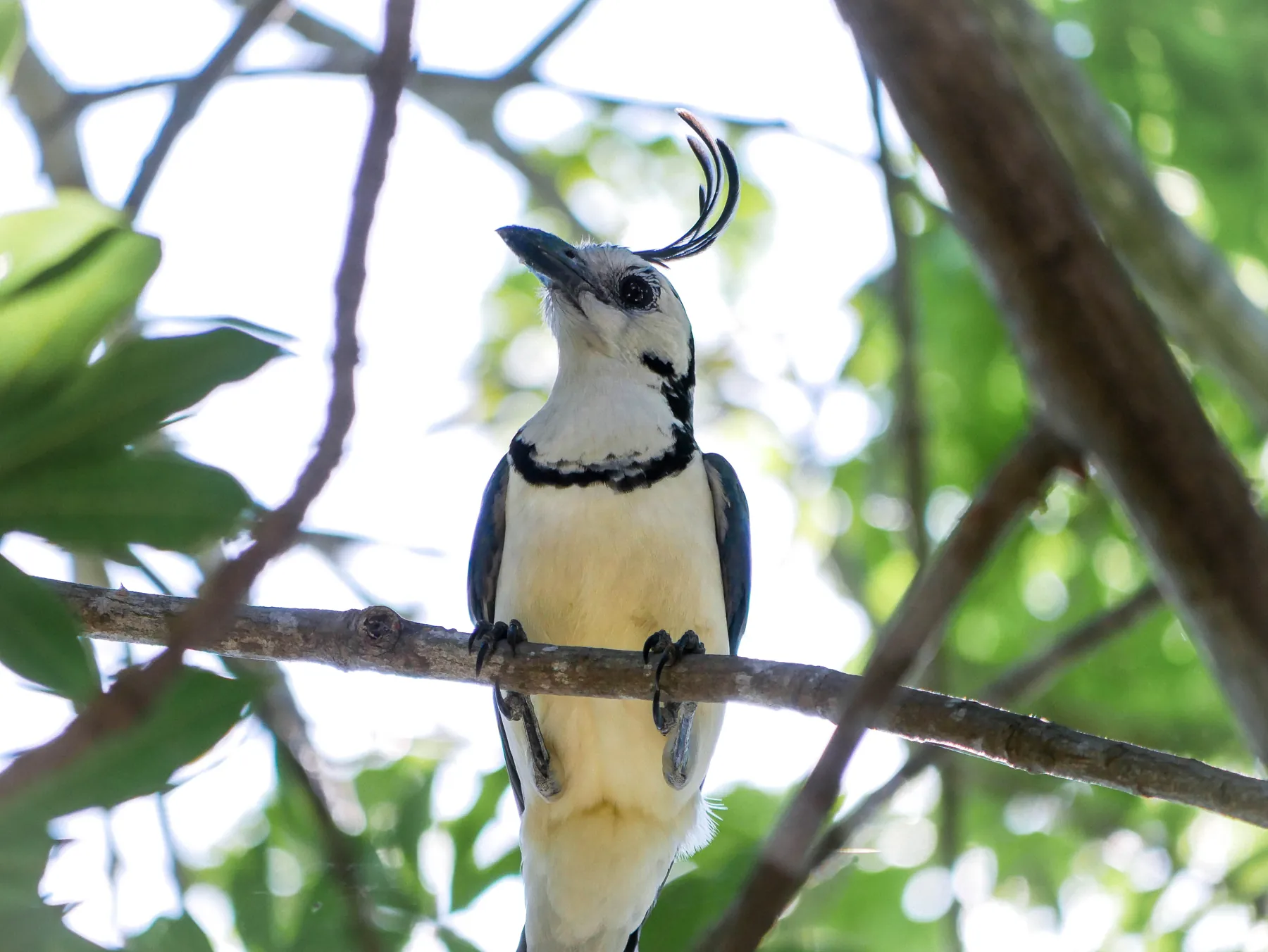
Calocitta formosa
Crested and loud: one of the first sounds at dawn.
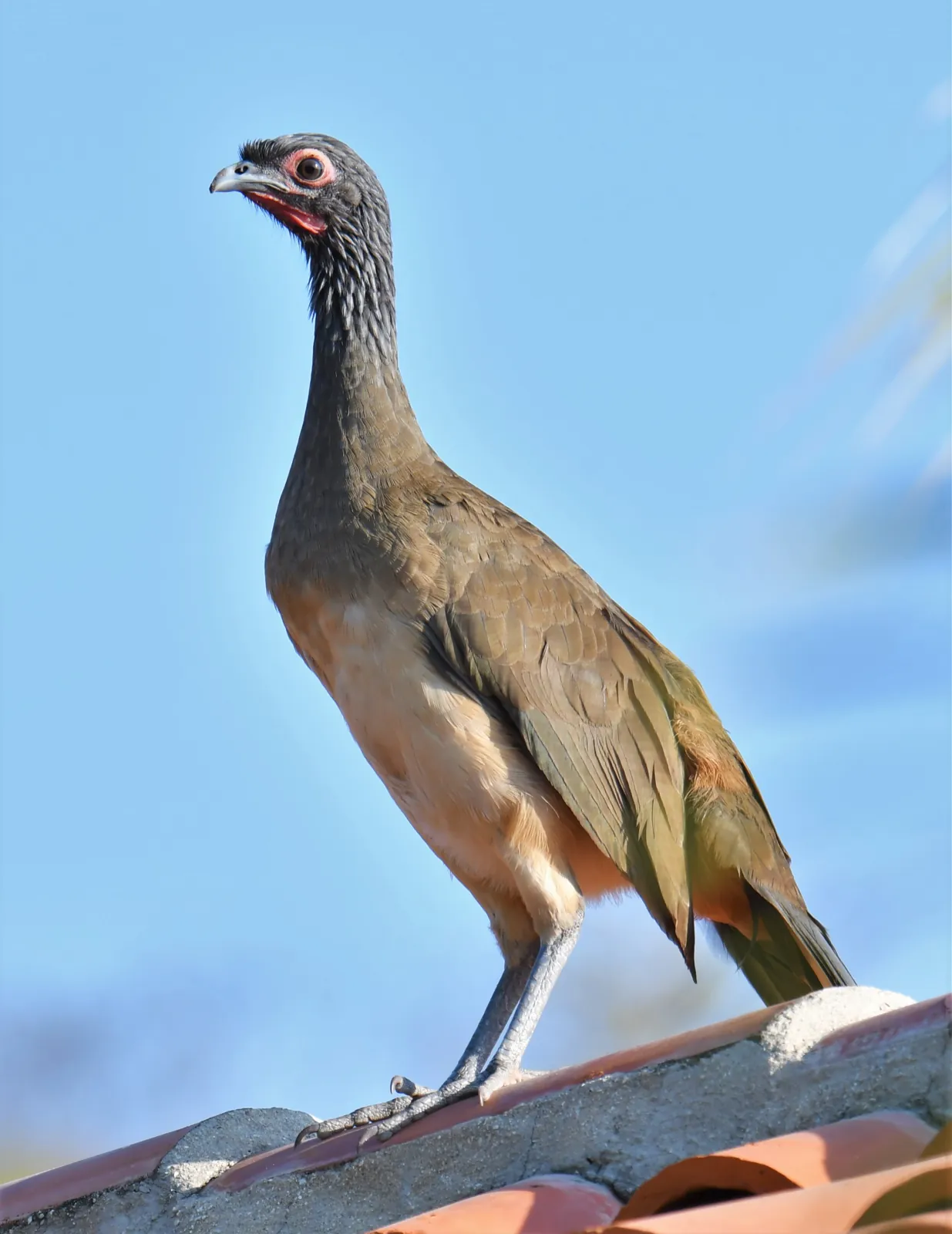 Photo: Nick Pitman
Ortalis poliocephala
Its piercing call carries out of the forest in the morning.
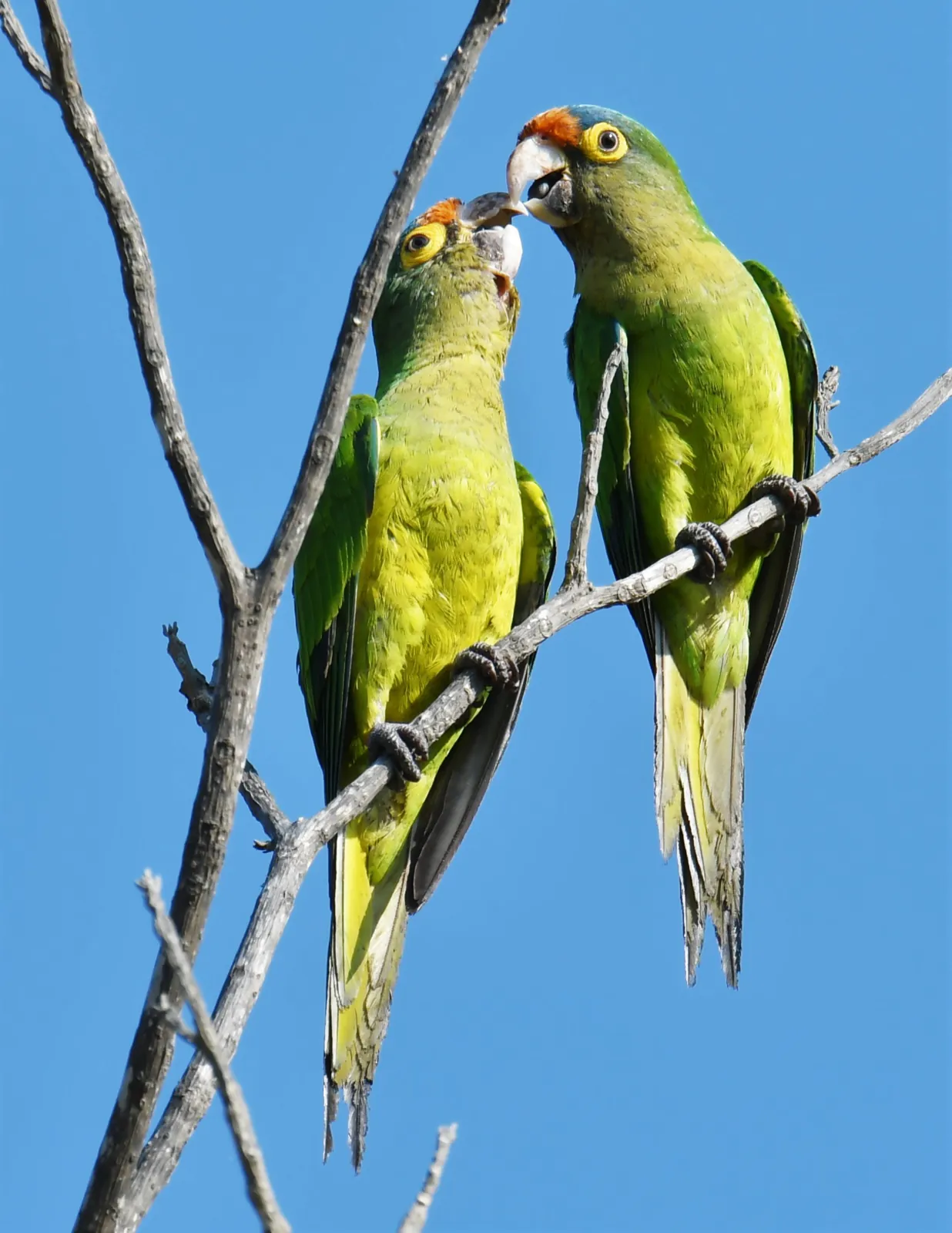 Photo: Nick Pitman
Aratinga canicularis
They fly in flocks and make themselves heard at sunset.
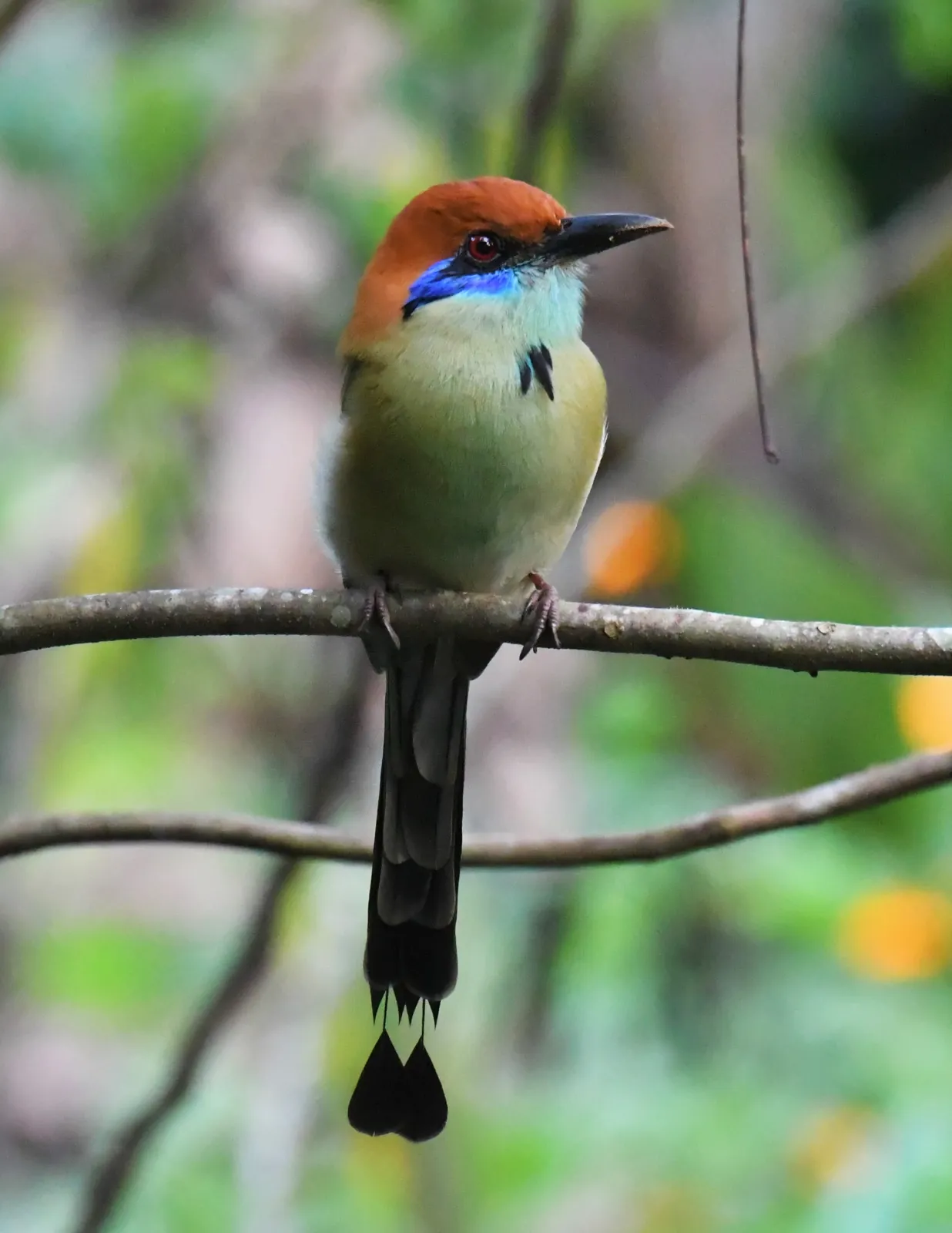 Photo: Nick Pitman
Momotus mexicanus
The long tail with racket tips. It lives in the park's low dry forest.
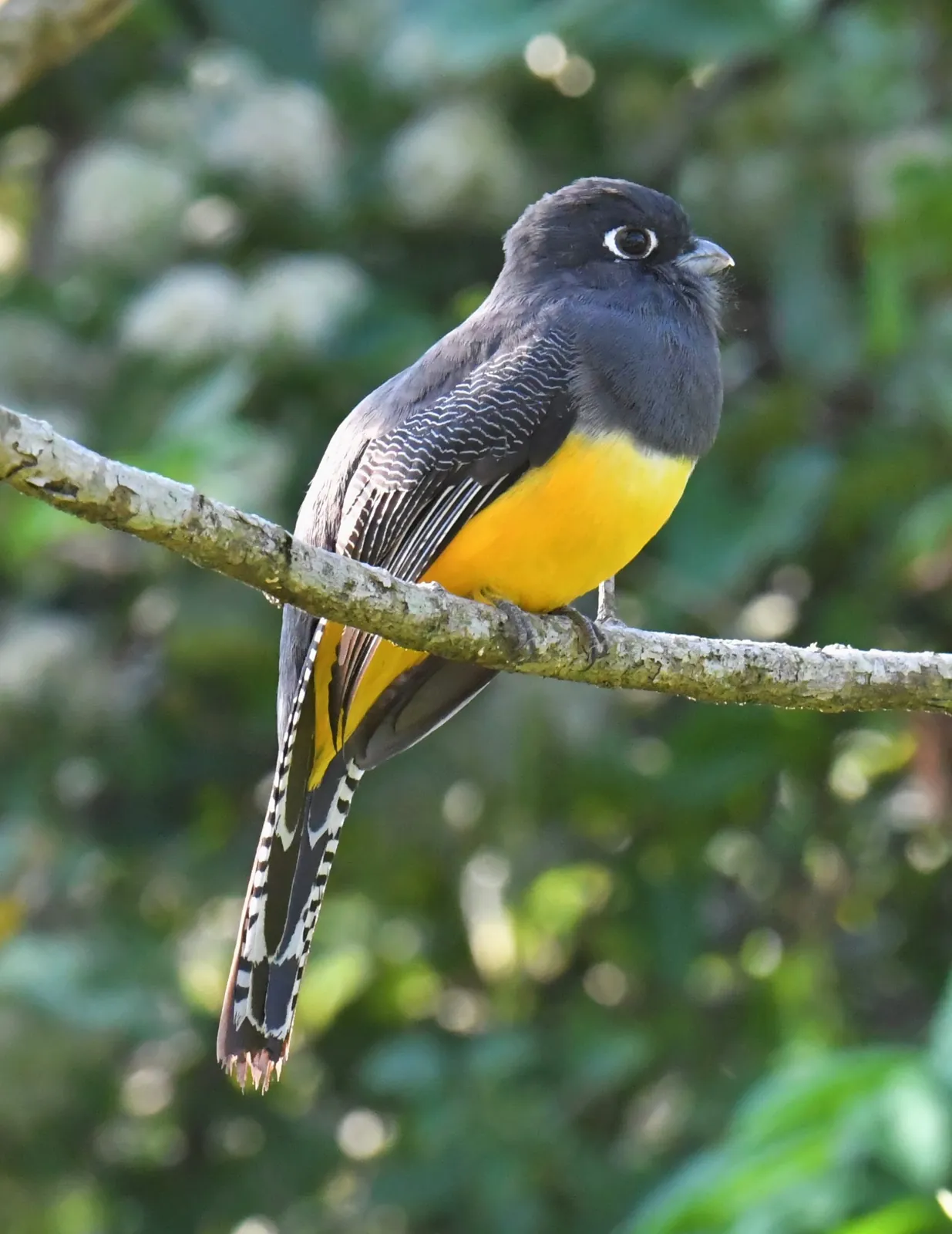 Photo: Nick Pitman
Trogon citreolus
Yellow belly and pale eye. The park's guide names it as an example of its dry-forest endemics.
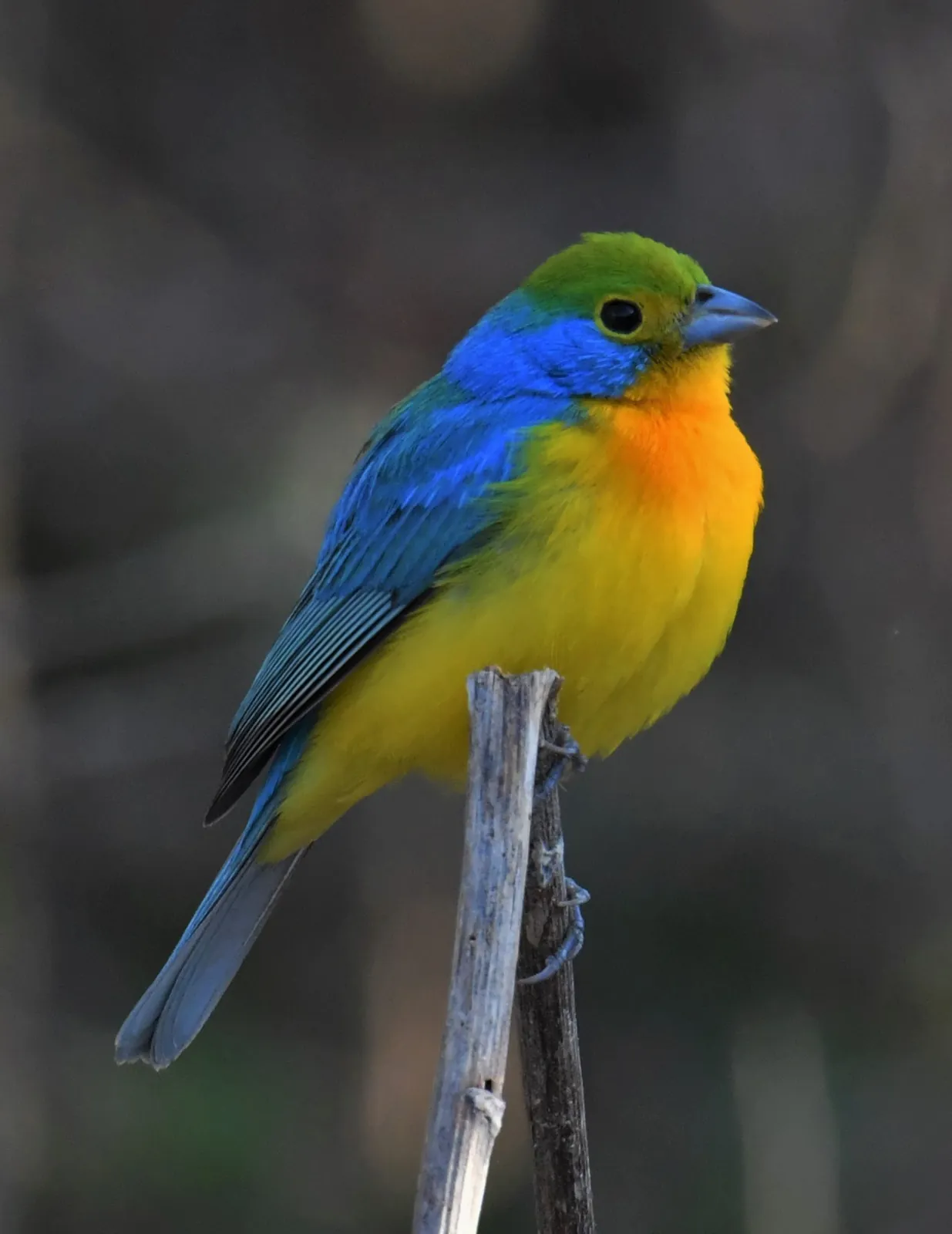 Photo: Nick Pitman
Passerina leclancherii
Small, blue and orange-yellow. Another park endemic.
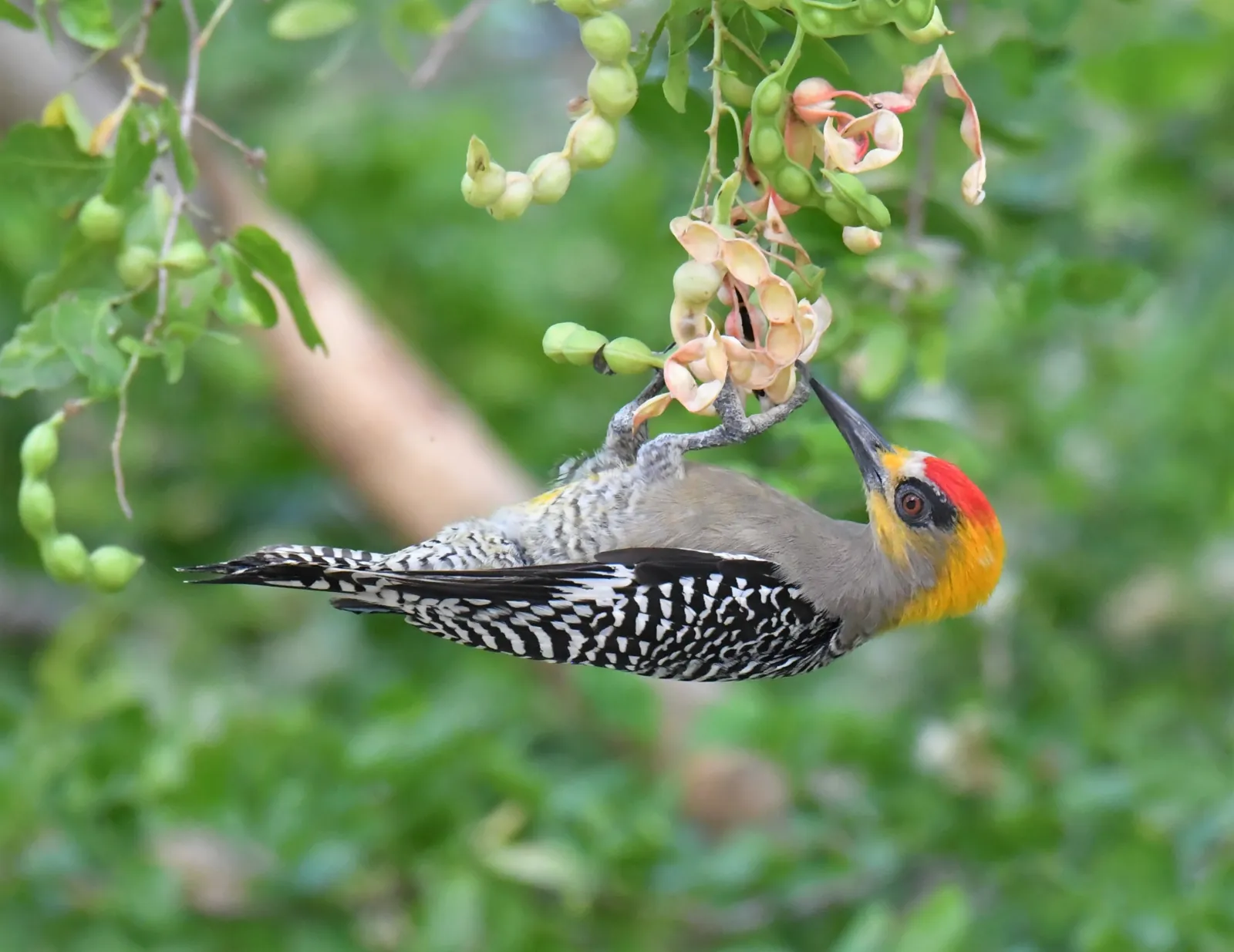 Photo: Nick Pitman
Centurus chrysogenys
A woodpecker of the low dry forest, with golden cheeks.
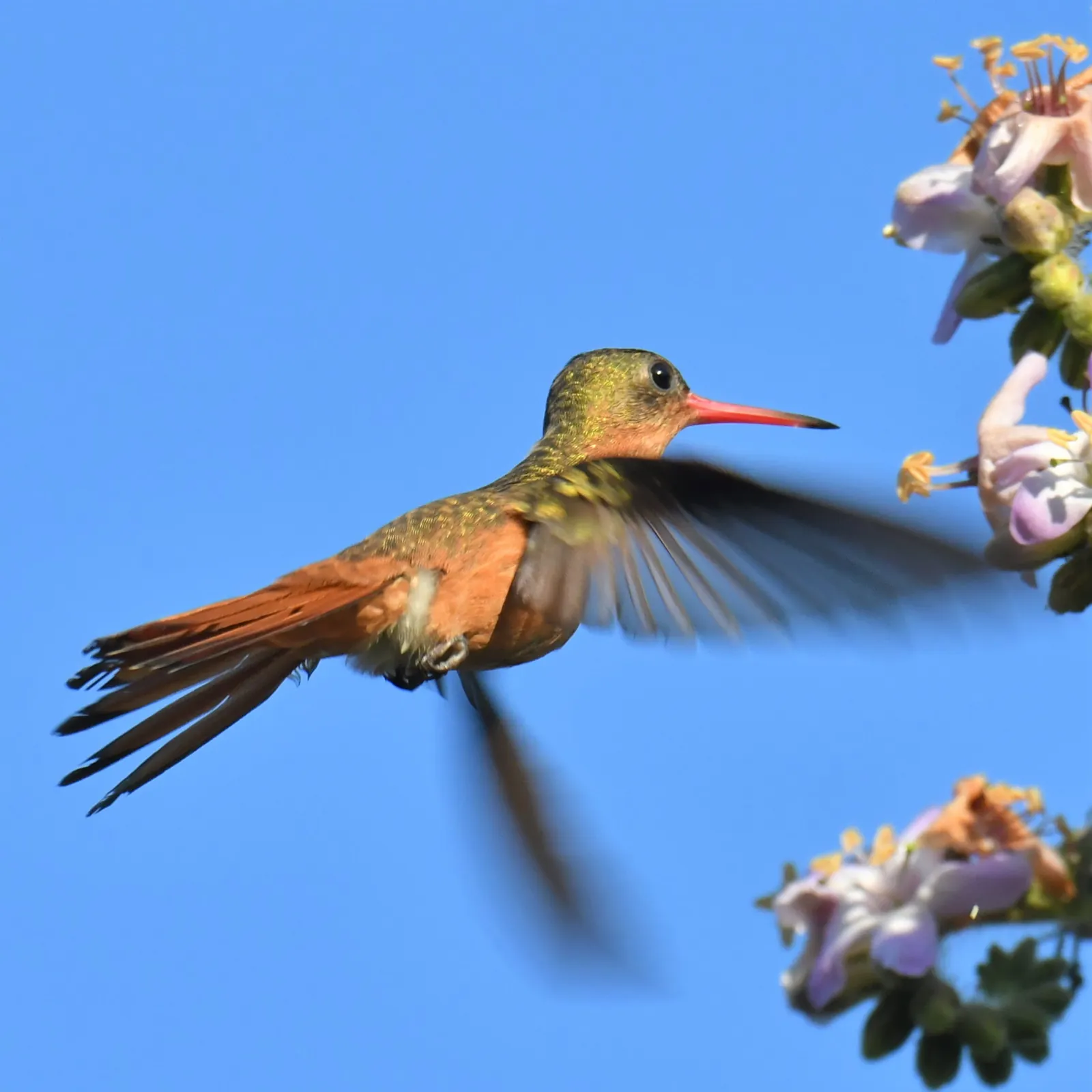 Photo: Nick Pitman
Amazilia rutila
A cinnamon-breasted hummingbird, one of those in the park's guide.
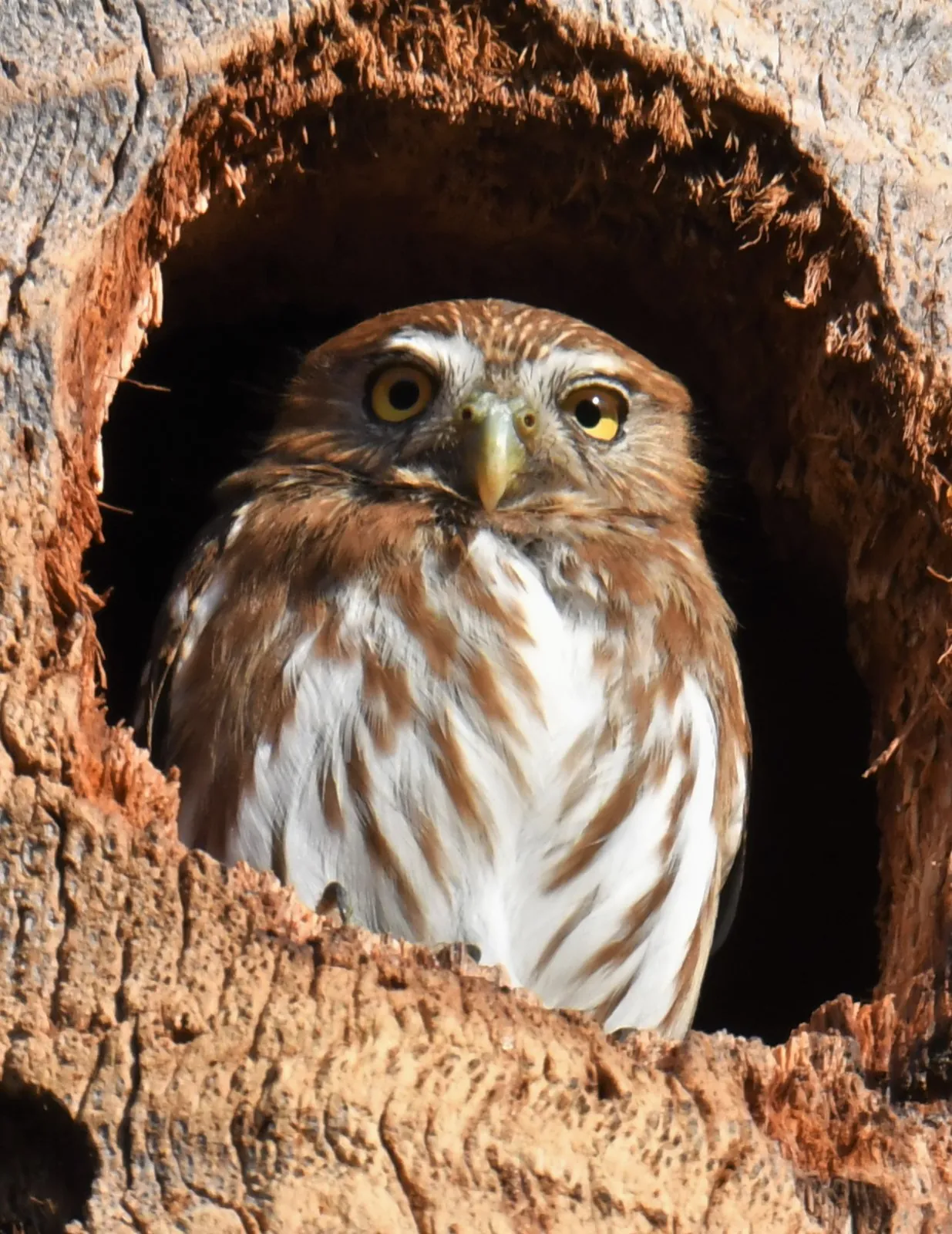 Photo: Nick Pitman
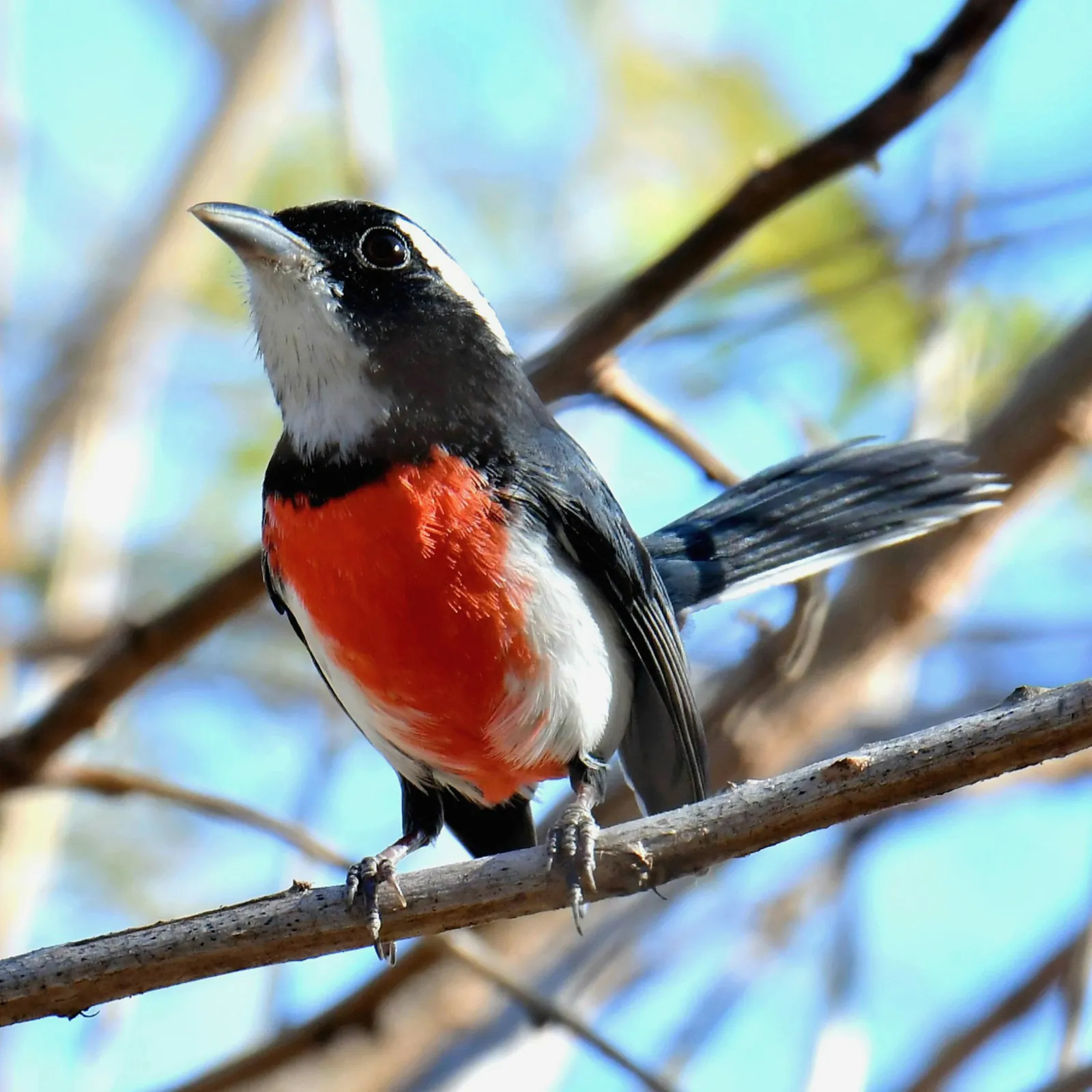 Photo: Nick Pitman
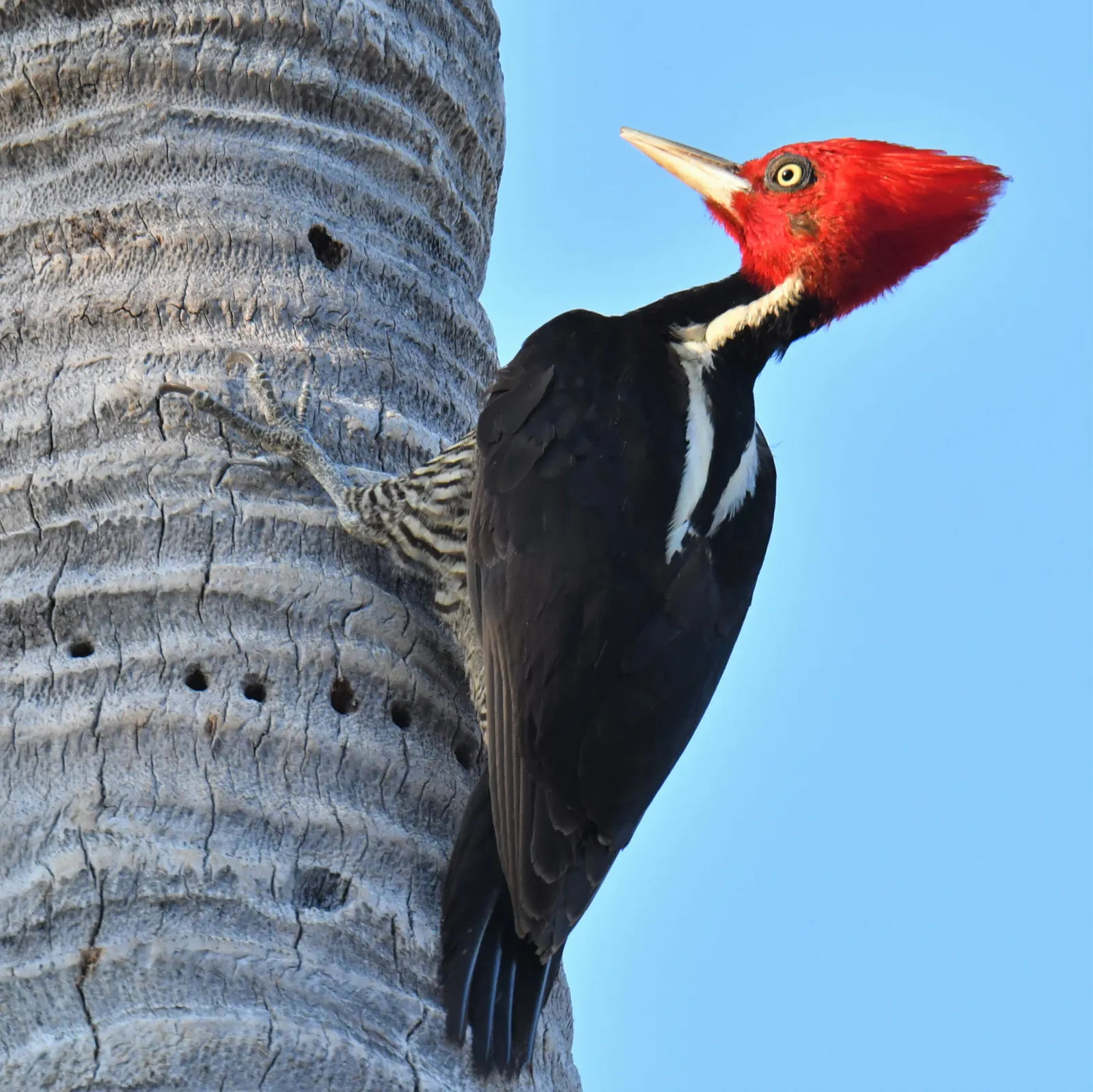 Photo: Nick Pitman
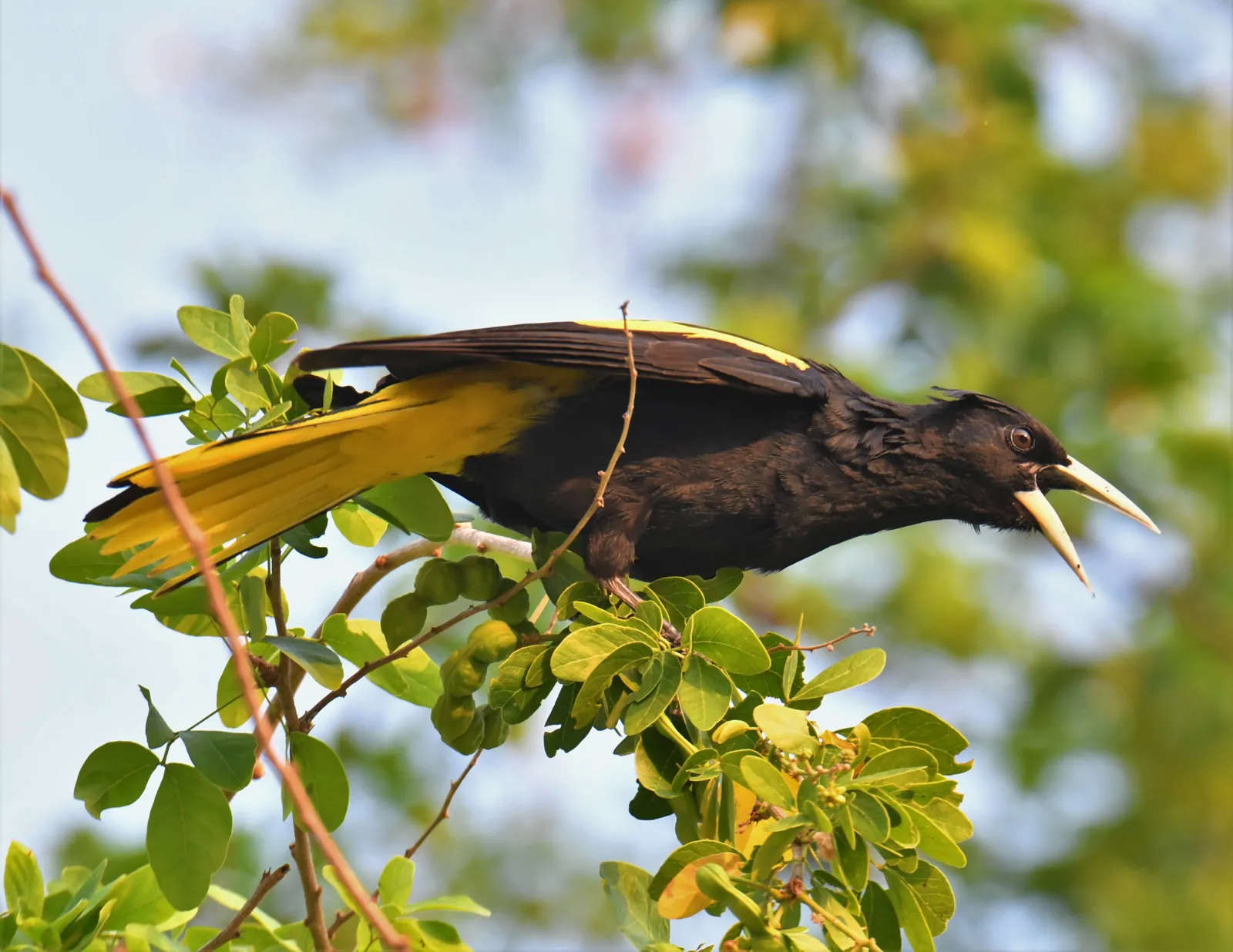 Photo: Nick Pitman
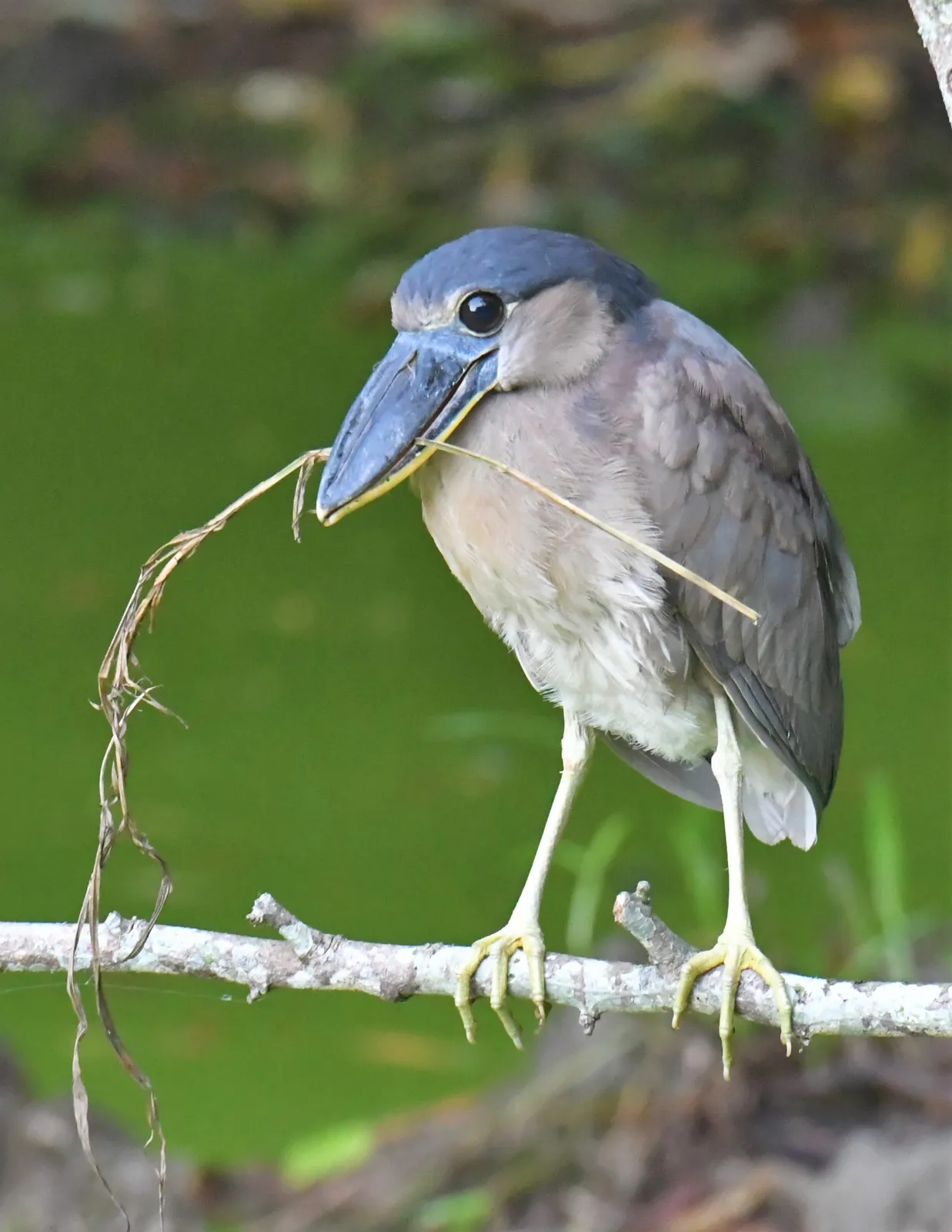 Photo: Nick Pitman
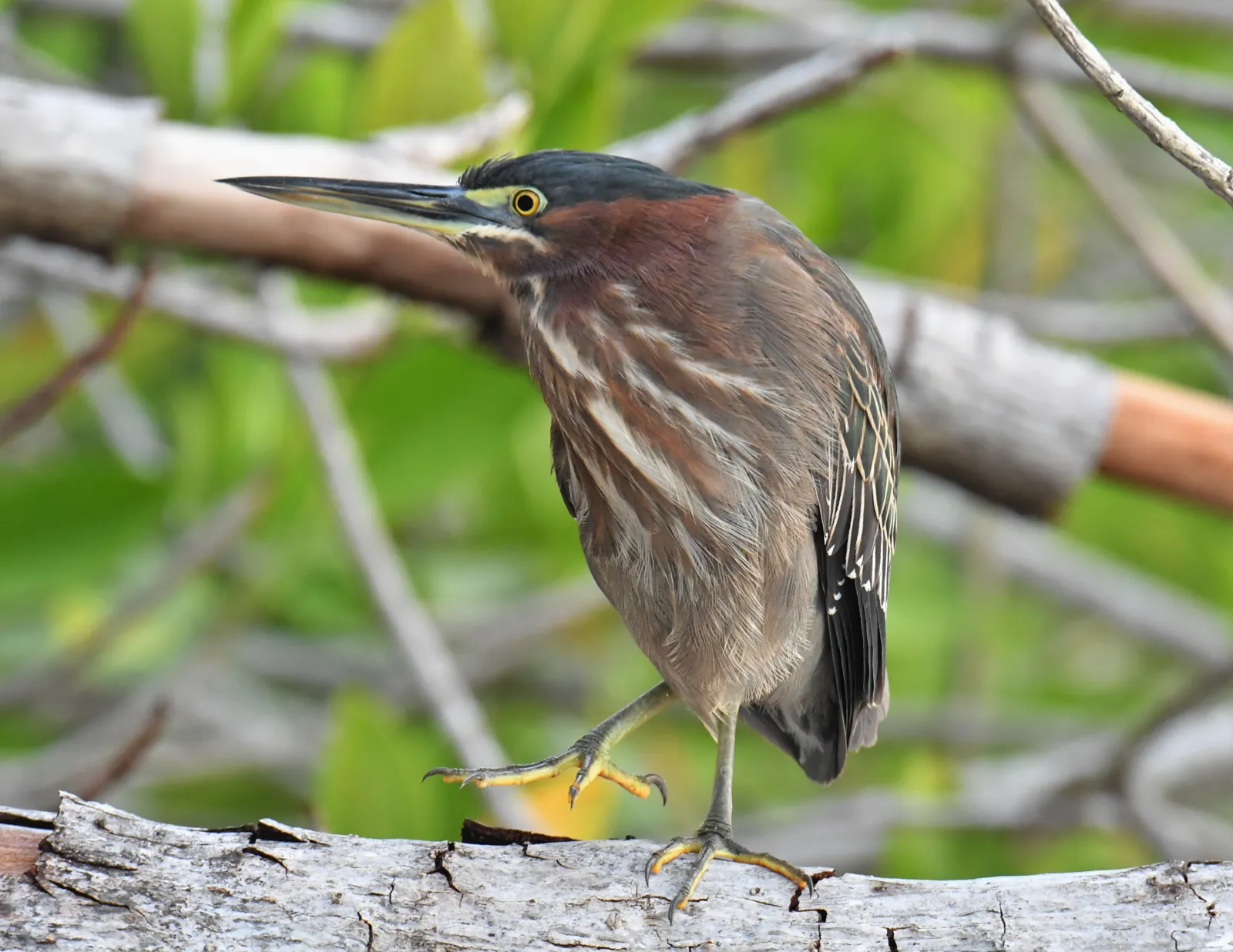 Photo: Nick Pitman
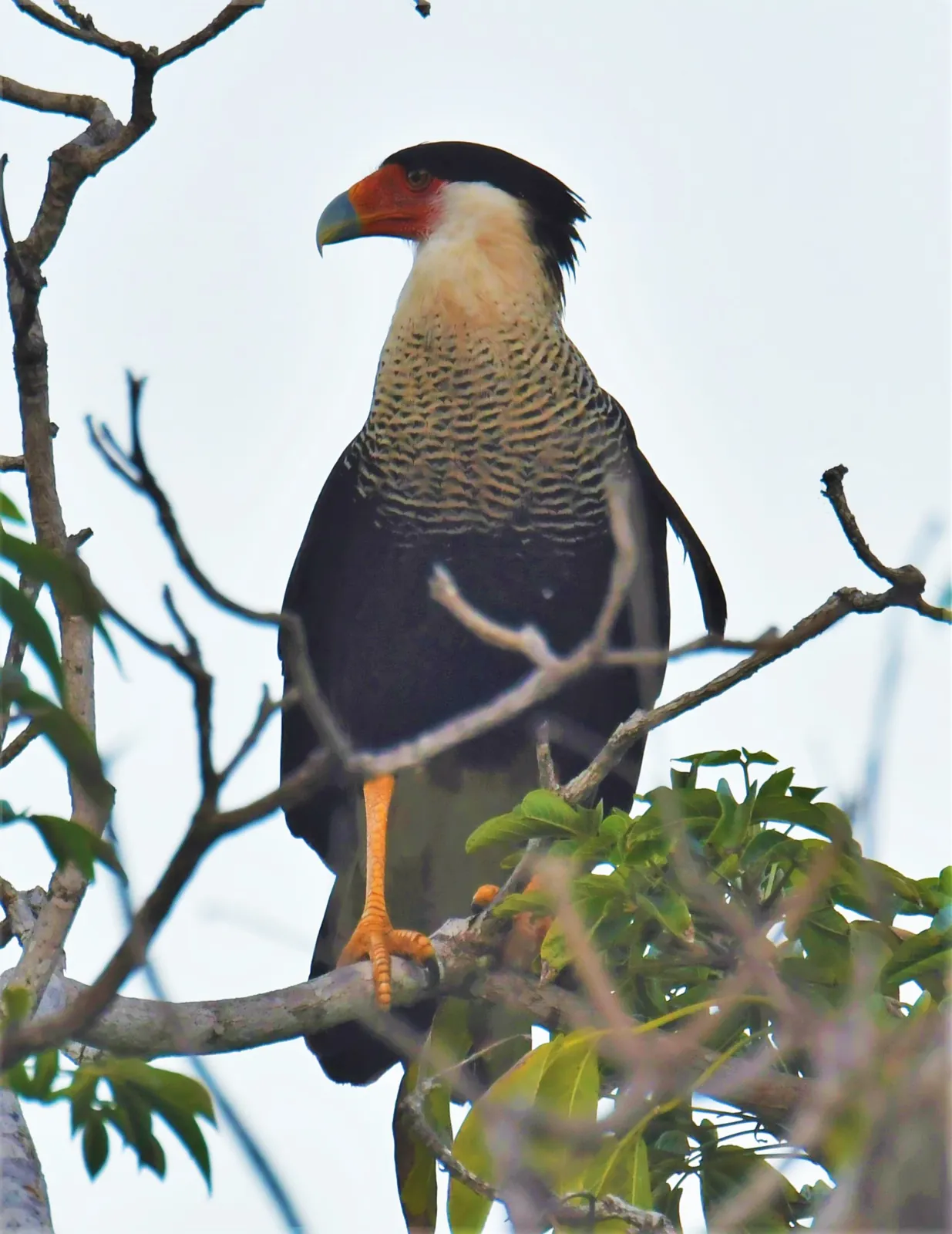 Photo: Nick Pitman
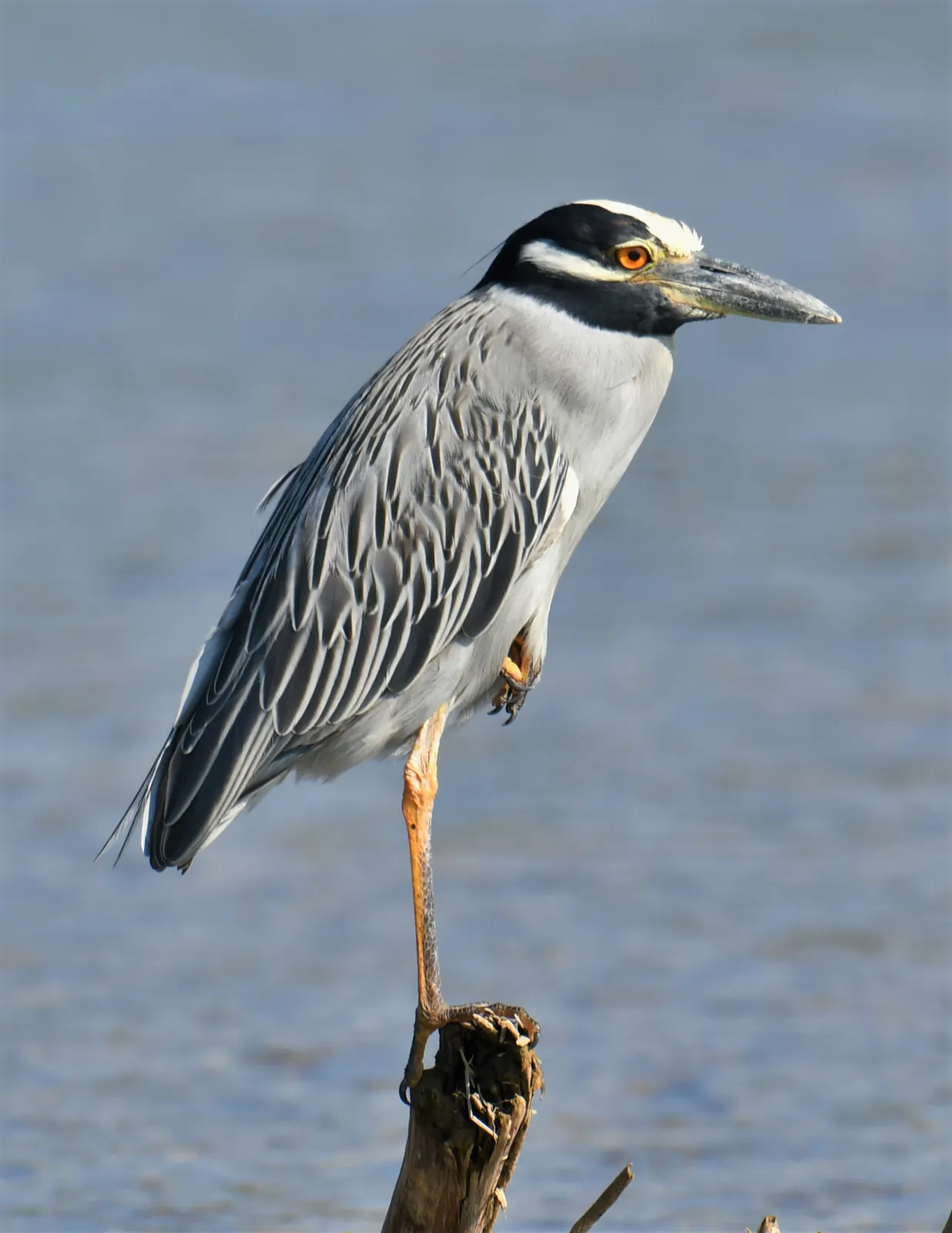 Photo: Nick Pitman
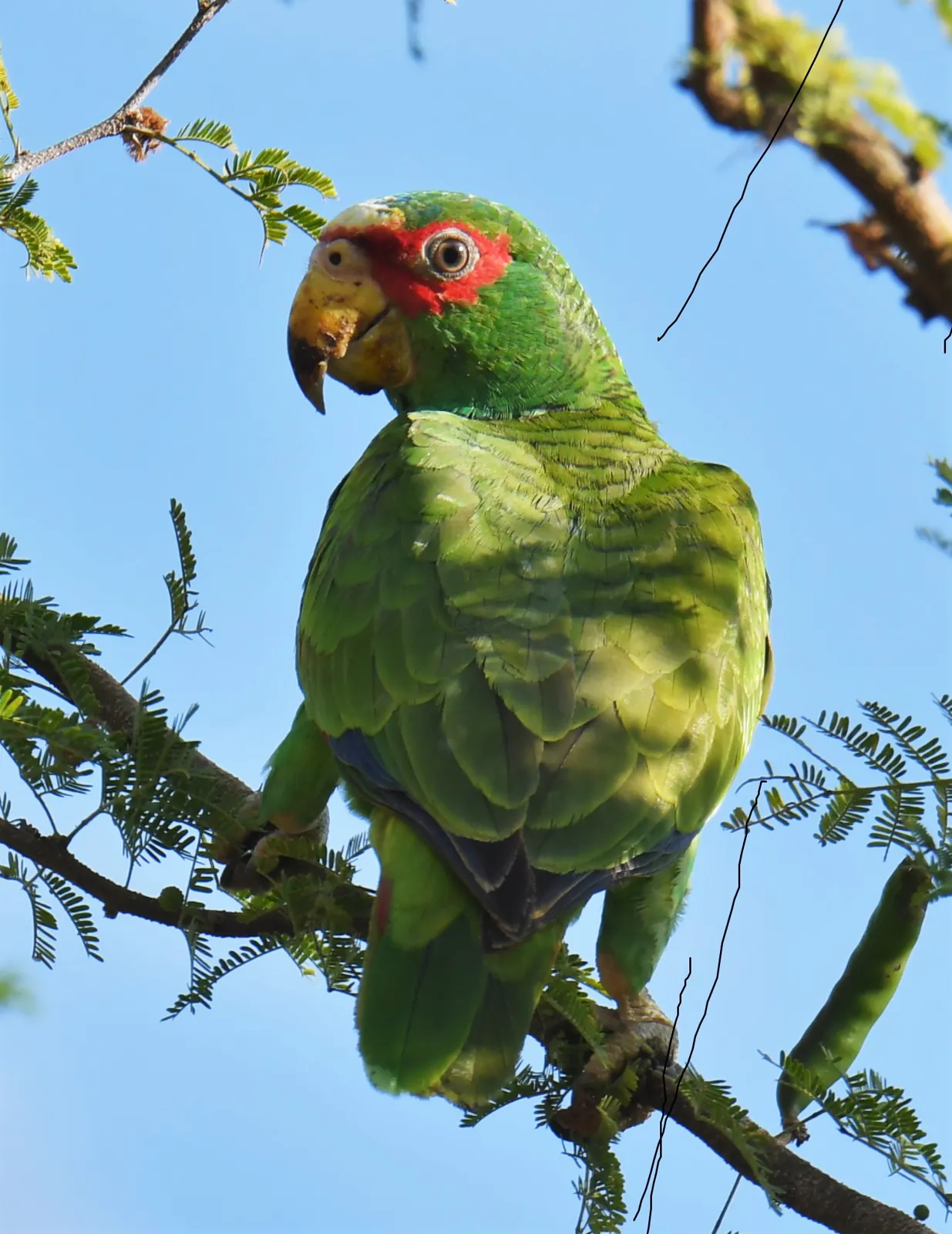 Photo: Nick Pitman
Photos by Nick Pitman, published with his permission. All rights remain his.
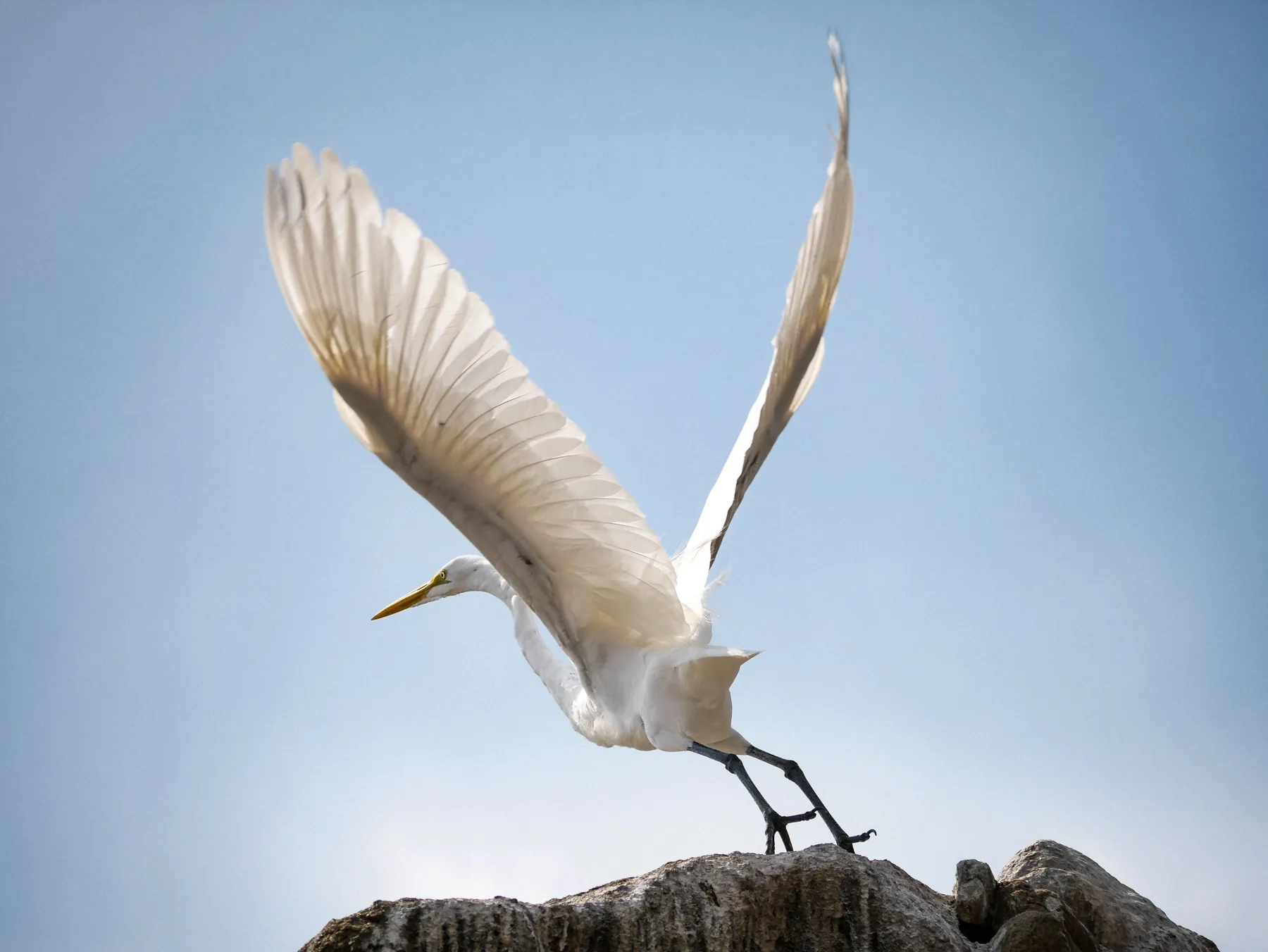
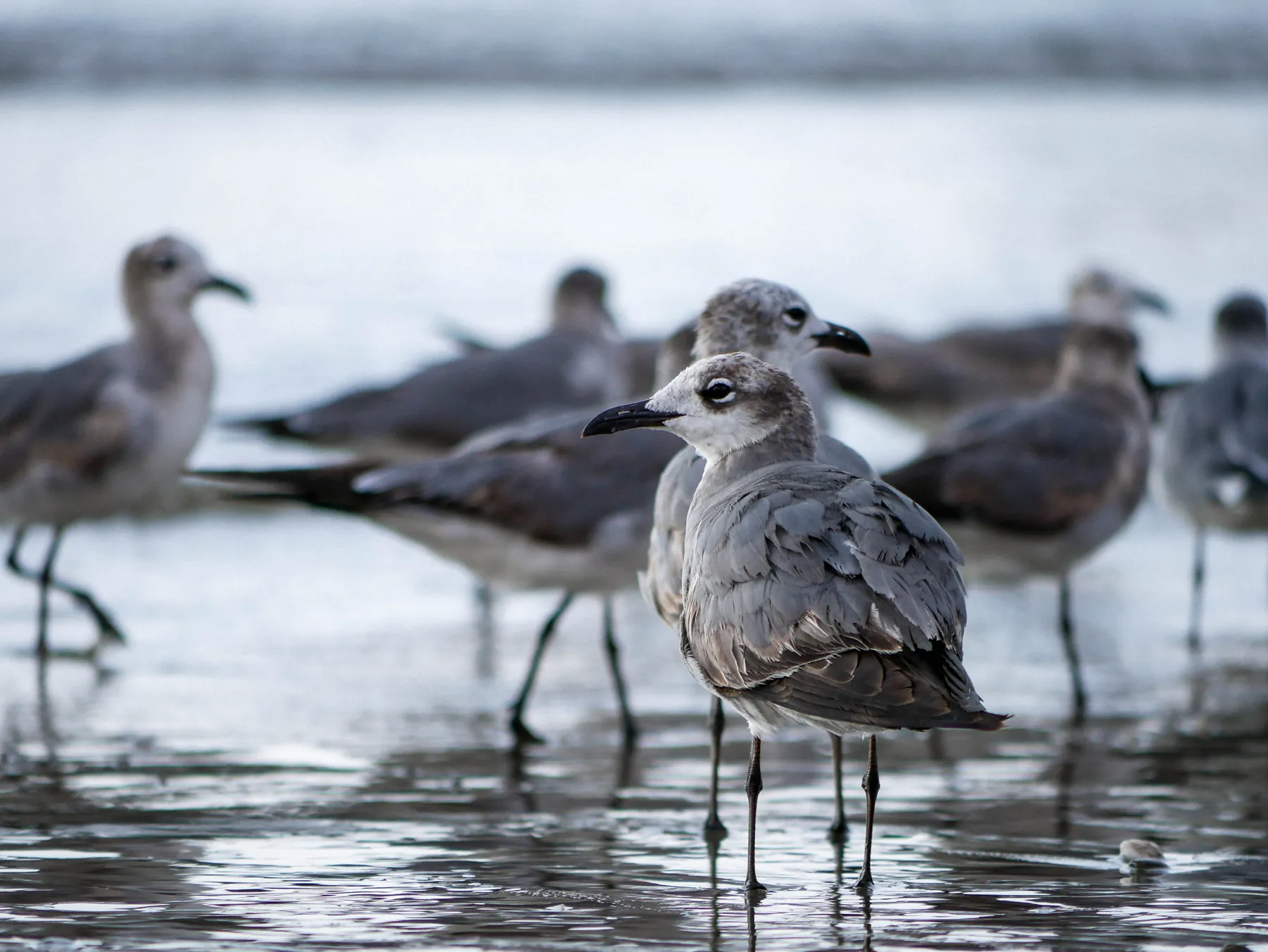
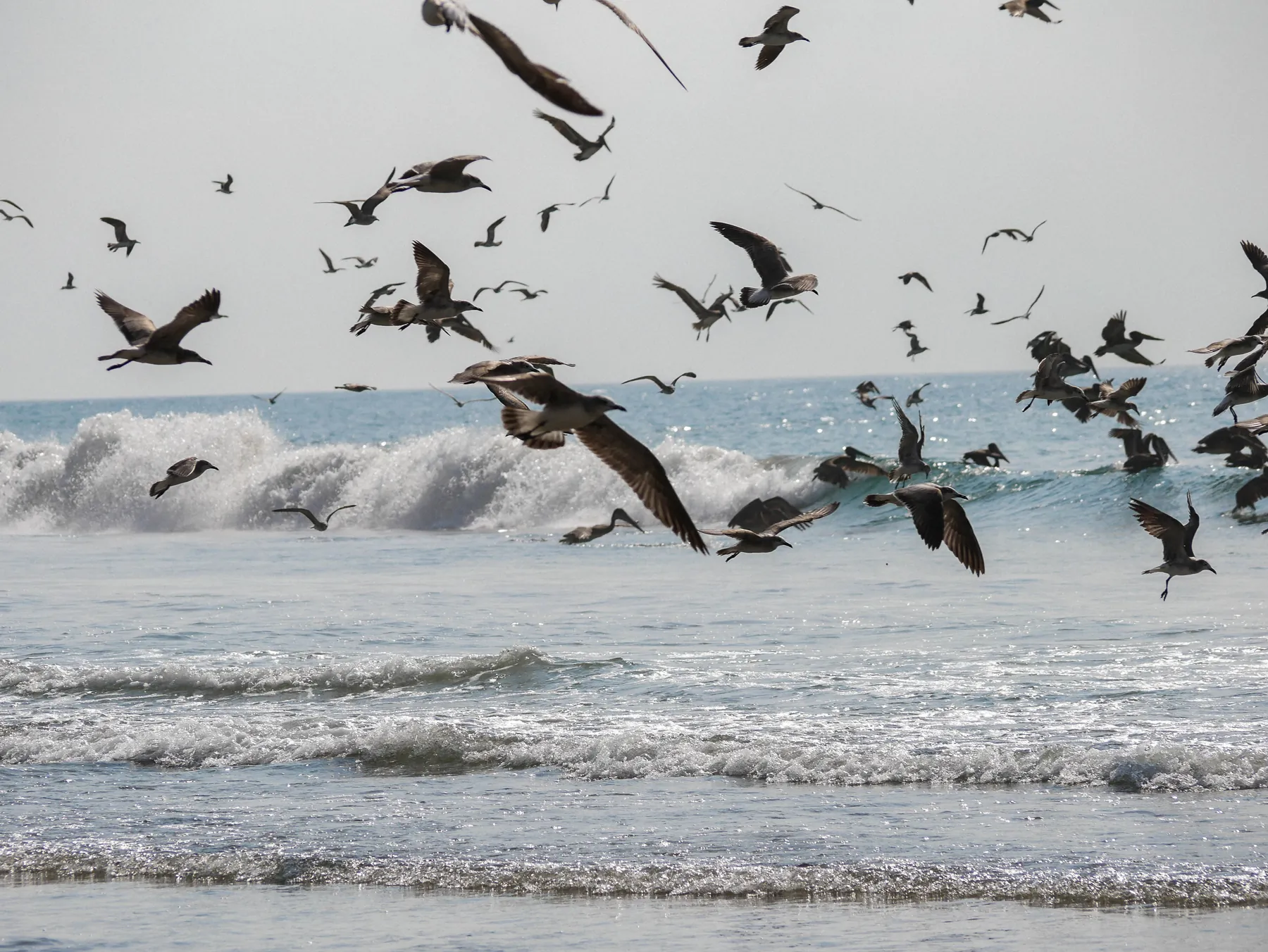
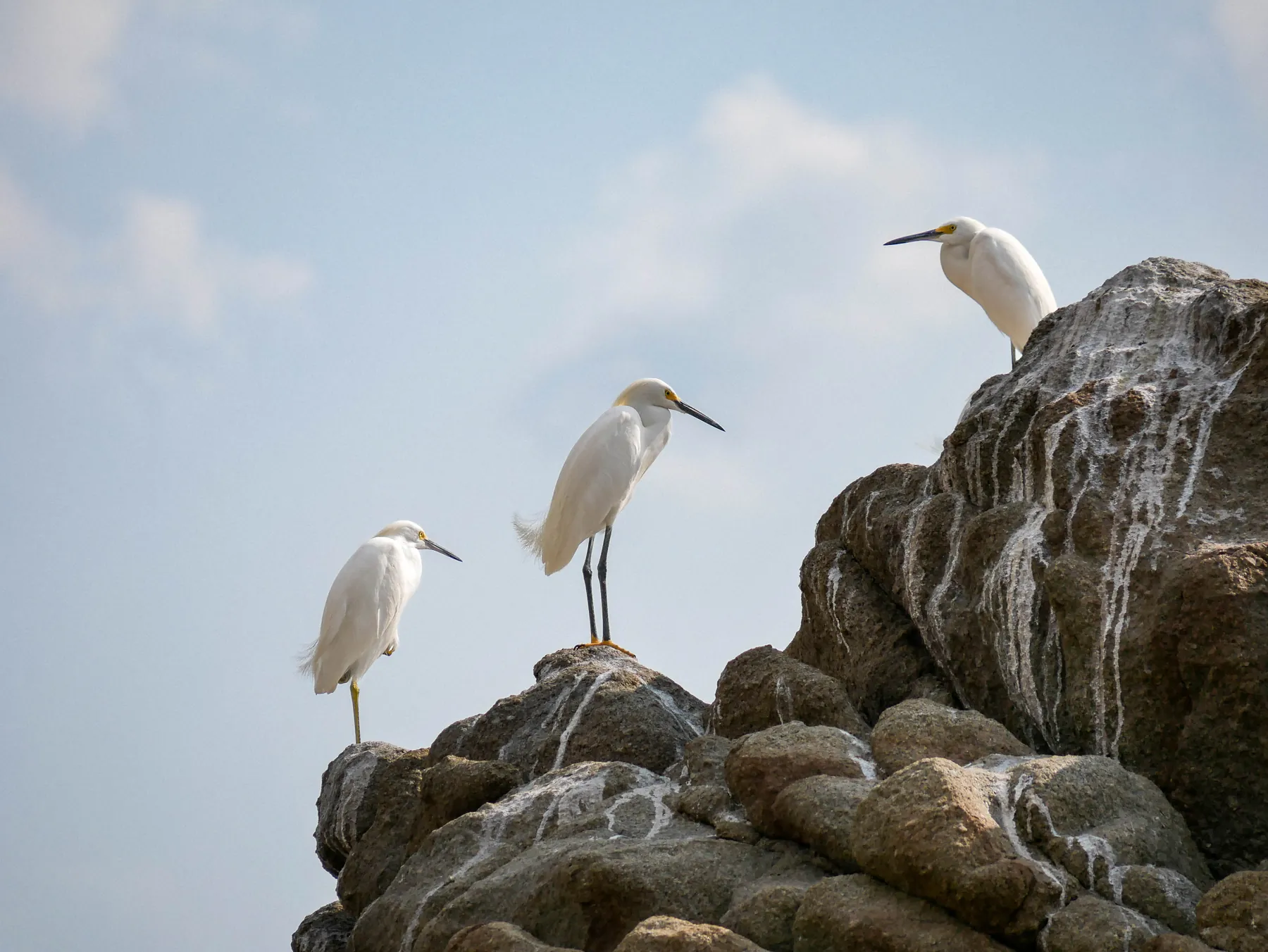
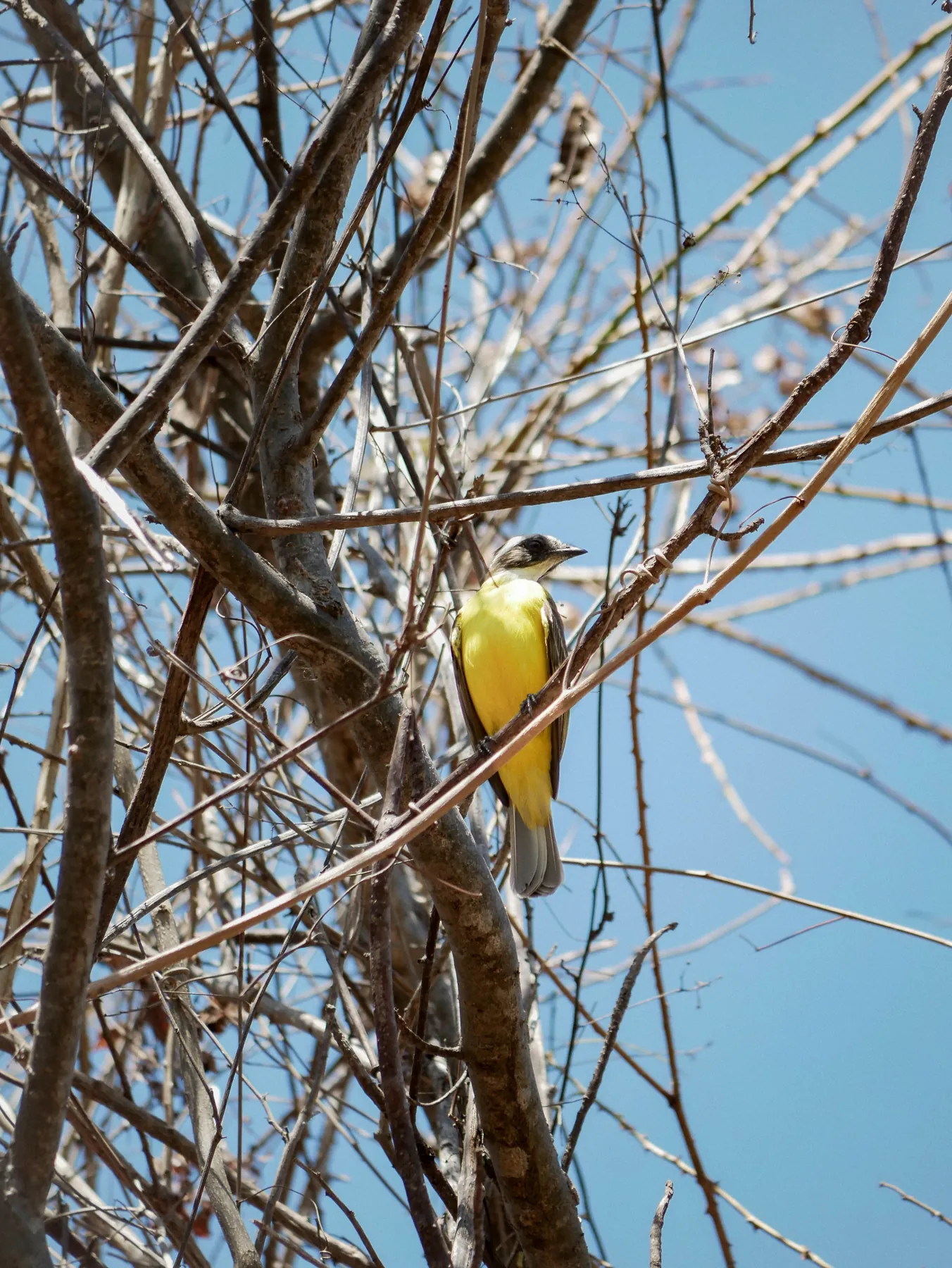
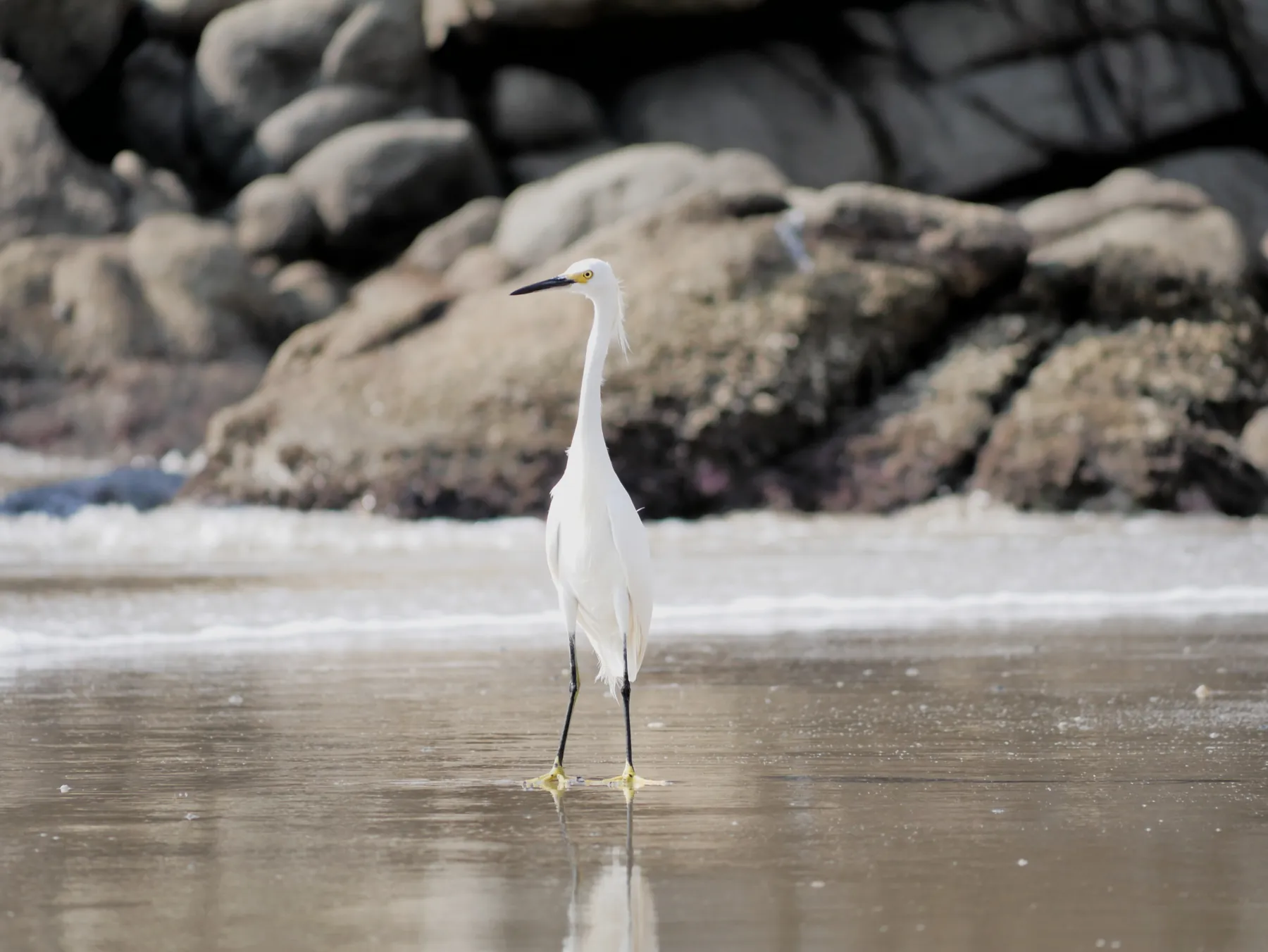

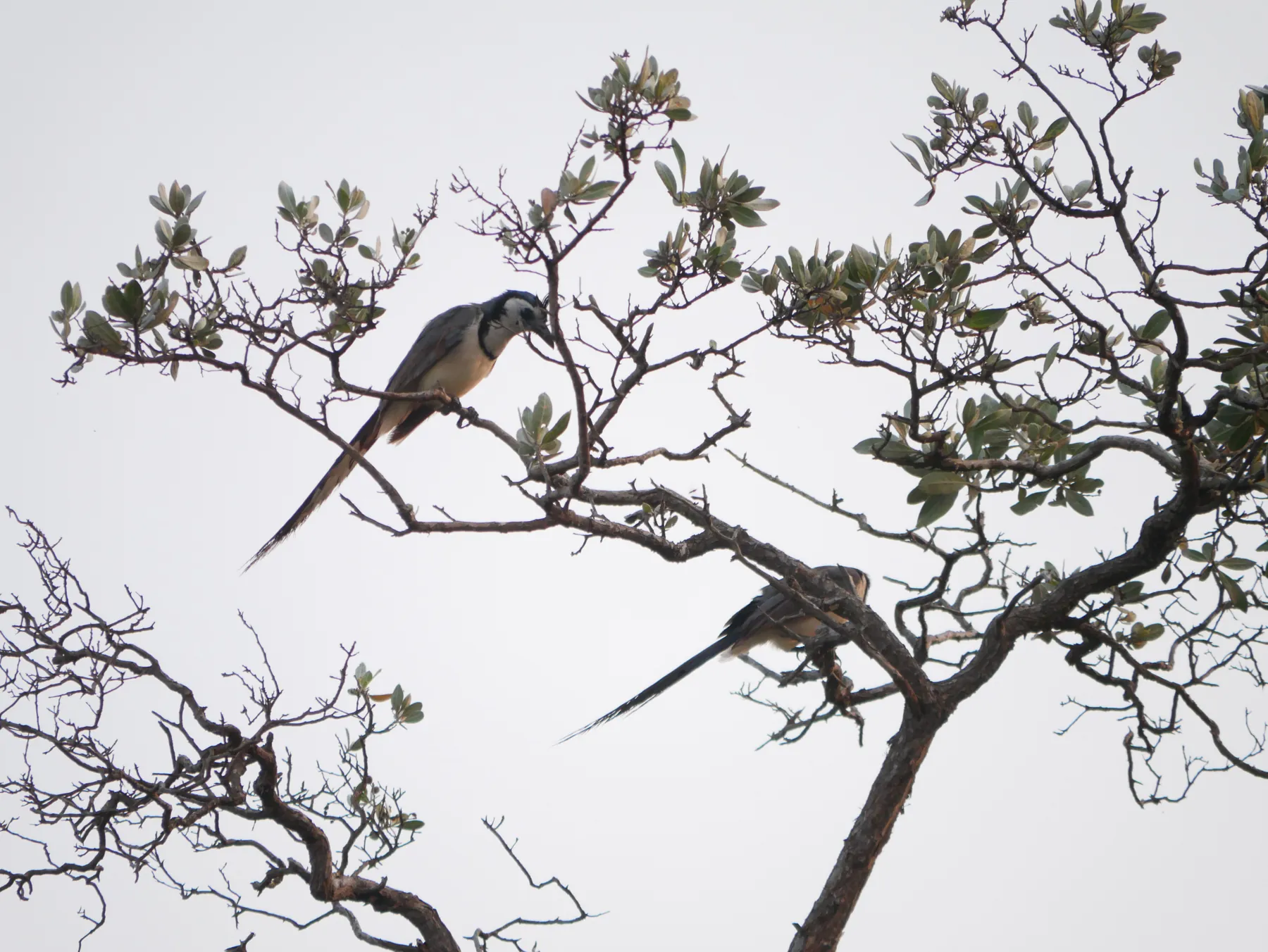
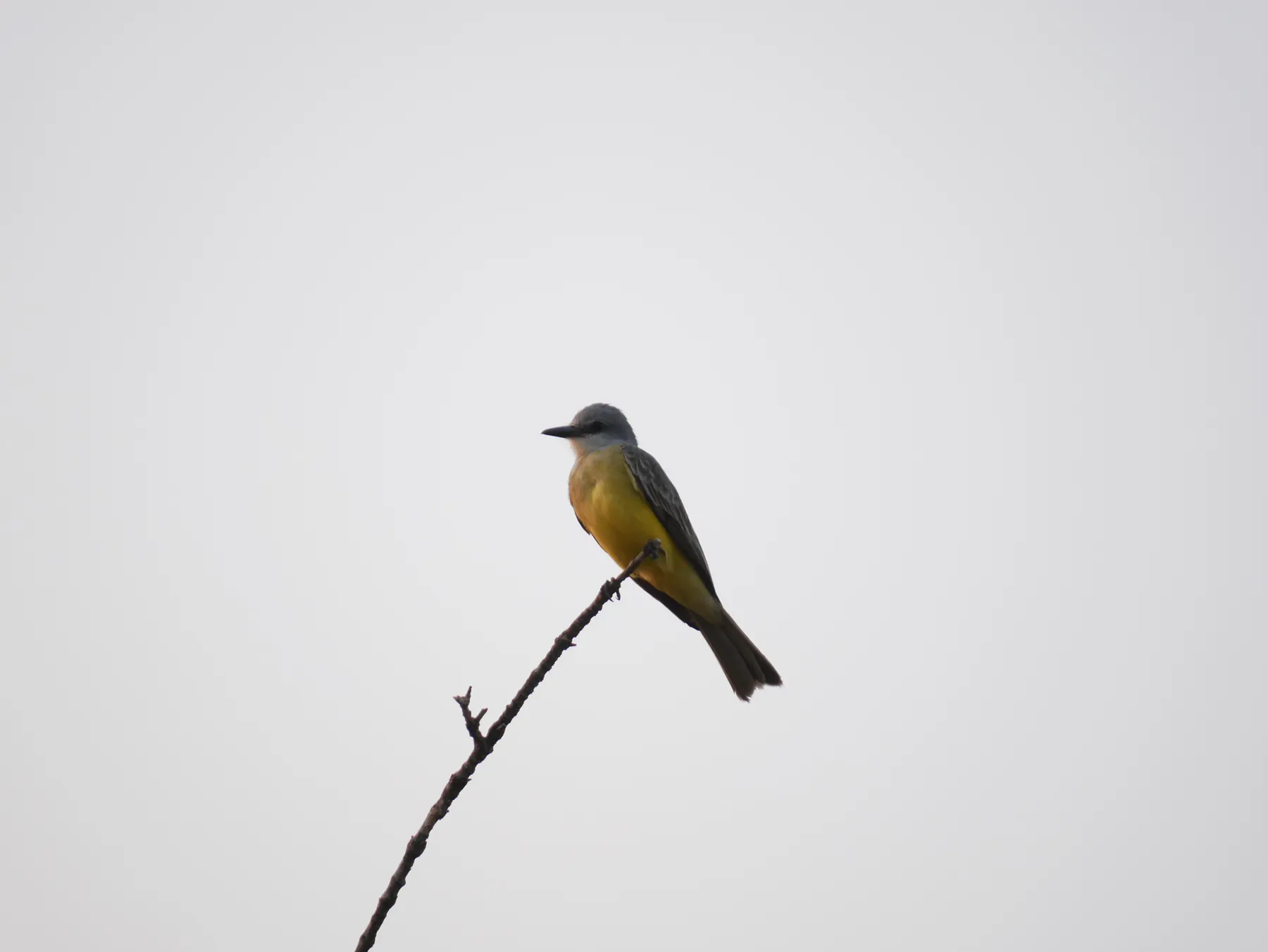
Photos taken in Huatulco by Oaxaca Swell.
Walk along La Bocana beach to the river: the estuary is packed with birds. Look for tricolored and reddish egrets, and the green kingfisher.
The riverside vegetation is home to several herons, four kinds of kingfisher and the roseate spoonbill. Hurricane Agatha (2022) damaged part of the area: ask about access before you go.
Dry forest, mangroves, dunes and wetlands in one place: the best-preserved tropical dry forest in Mexico, according to the park's guide.
In La Crucecita: hillside trails for an early start. Listen for the ferruginous pygmy-owl.
October to March brings the northern migrants. April to July brings the ones migrating up from the south. The residents are here all year.
Go early. Cool mornings are best, and at sunset the parakeets get loud again. On a good full-day walk, a local guide estimates 100 to 120 species.
Bring: binoculars, water and the Merlin app with the "Mexico: Oaxaca and Chiapas" pack to identify calls. iNaturalist has a Bahías de Huatulco bird checklist.
Huatulco National Park shelters at least 282 bird species, according to CONANP (Mexico's protected areas agency). Forty of them have some conservation status.
October to March, when the northern migrants arrive, and always early in the morning.
At Rufino Tamayo Ecological Park, right in La Crucecita, and at the La Bocana estuary, about 20 minutes away.
Yes. The park's bird guide illustrates 13 endemic species, including the Citreoline Trogon, the Orange-breasted Bunting and the Golden-cheeked Woodpecker.
Sources: CONANP, Ecological, social and cultural diagnosis of Huatulco National Park (2011); Defenders of Wildlife, Teyeliz A.C., Huatulco National Park and CONANP, quick guide to the birds of Huatulco National Park (common and scientific names); The Eye Huatulco, "Huatulco: A Paradise of Bird Habitats" and "A Birdwatching Guide for Huatulco" (2022: places, seasons and daily count); Wikipedia, Parque nacional Huatulco (endemic chachalaca).